Cybercrime Law in the Dominican Republic
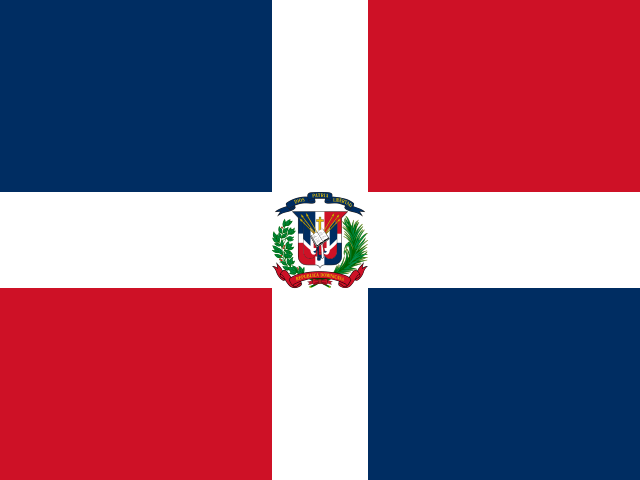
The Dominican Republic has had a dedicated cybercrime statute since 2007. It joined the Budapest Convention in 2013, and a cybersecurity bill was before its Chamber of Deputies in mid-2026.
Key laws
-
Law No. 53-07 on High-Tech Crimes and Offences (2007), in force since January 2007:
- Art. 5 — access codes: disclosing, copying, trafficking in or deciphering access codes (one to three years);
- Art. 6 — unauthorised access: three months to one year, rising to one to three years if data is deleted, changed or disclosed;
- Art. 9: interception of data or signals without judicial authorisation;
- Art. 11 — sabotage: damaging or disabling a system or its programs (three months to two years);
- Art. 13: theft using electronic means;
- Art. 15 — fraud through electronic means (three months to seven years);
- Art. 17 — identity theft (three months to seven years);
- Art. 18: forgery of electronic documents and signatures.
Child-related offences are in arts. 23 and 24, and crimes against the nation, such as sabotage and espionage by electronic means, in arts. 27 and 28.
-
Cybersecurity bill (2026): filed in the Chamber of Deputies on 24 March 2026 and tabled for first discussion on 20 July 2026. I found no report that it has been enacted. Decree 612-24 placed the cybersecurity coordination team and the national incident-response team (CSIRT-RD) under the National Intelligence Directorate.
-
Law 172-13: the personal data protection law.
The Dominican Republic is a party to the Budapest Convention on Cybercrime (ETS 185). A Council of Europe legal profile records its ratification or accession as 7 February 2013.
Enforcement
Cybercrime is investigated by the police’s high-tech crime unit and the Department of Investigation of High-Tech Crimes and Offences (DICAT), working with the Public Ministry.
Plain-language overview, not legal advice. Statutes change. Read the current text in the Official Gazette and seek qualified advice for any specific matter.
Sources checked 13 November 2026 against English and Spanish texts of Law 53-07, the Council of Europe’s legal profile of the Dominican Republic, and Dominican press and legislative records on the 2026 bill. The unit names are from general knowledge.